
Electric Traction Motors: PMSM vs. AC Induction, Rotor Flux Dynamics and Field-Oriented Control
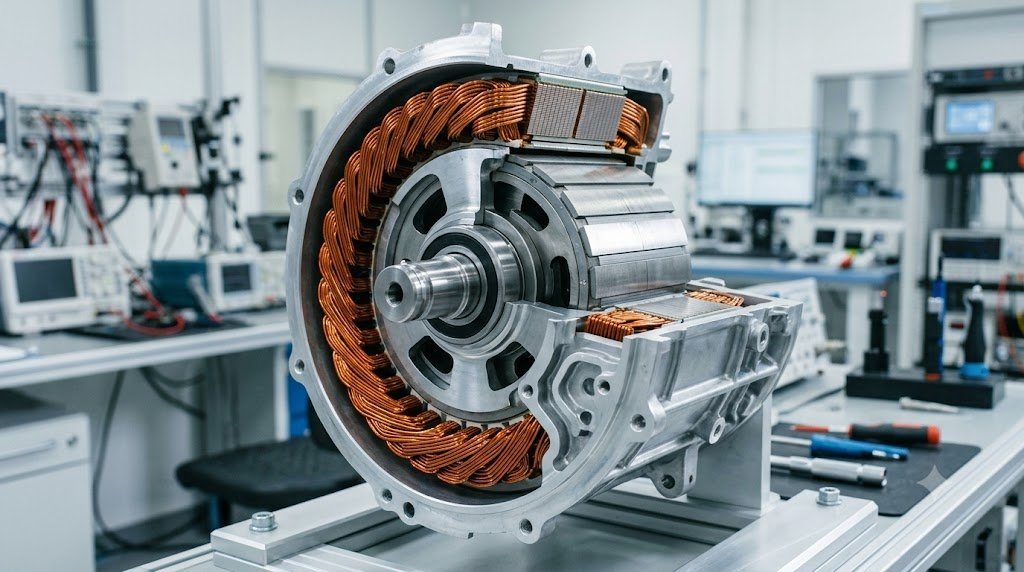
The traction motor is the electromechanical heart of an electric vehicle, responsible for converting high-voltage direct current (DC) supplied by the battery into rotational torque with instantaneous responsiveness and energy conversion efficiencies exceeding 94% to 97%. In modern production electric vehicles, two distinct alternating current (AC) motor architectures dominate the market: the Permanent Magnet Synchronous … Read more
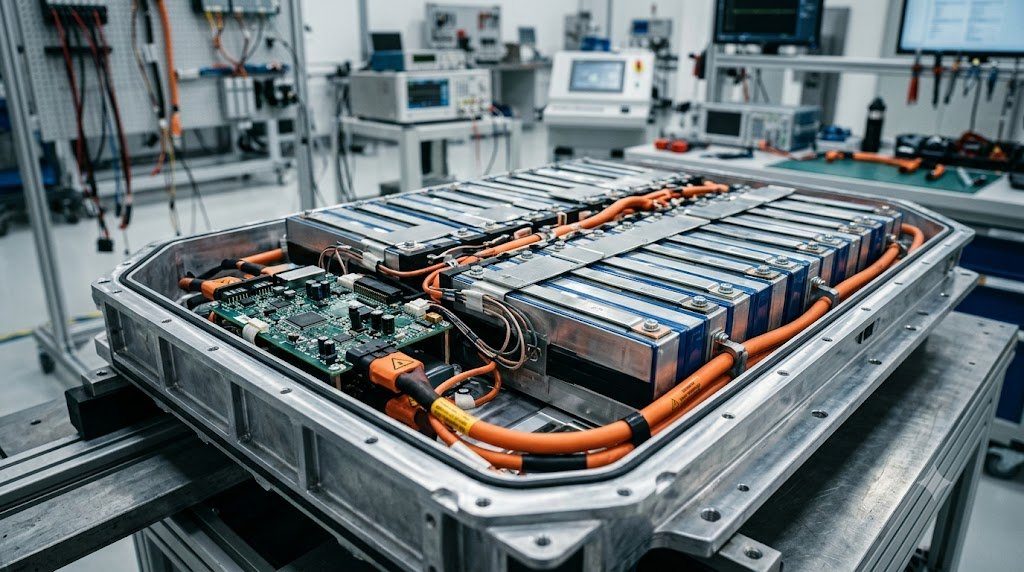
Lithium-Ion Battery Management Systems: Cell Balancing, State Estimation and Thermal Runaway Prevention

The high-voltage traction battery pack constitutes the electrochemical epicenter and highest-cost subsystem of every modern Battery Electric Vehicle (BEV). Storing between 50 and 120 kilowatt-hours (kWh) of electrical energy at potentials between 400V and 800V DC, automotive battery packs comprise thousands of individual lithium-ion cells connected in series and parallel. Operating this massive electrochemical substation … Read more

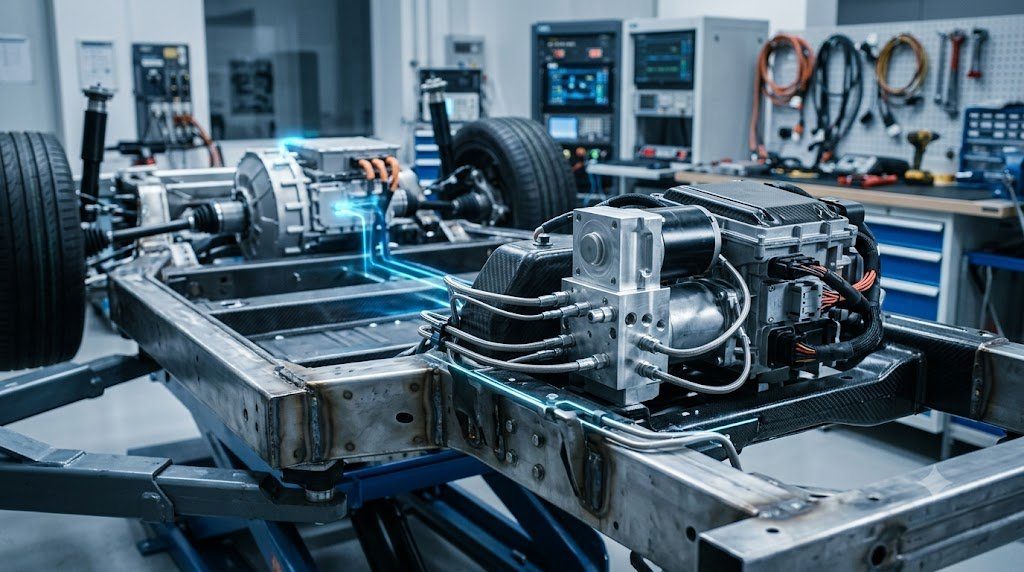
Regenerative Braking Systems: Electro-Hydraulic Blending, Brake-by-Wire Modulators and Energy Capture

In the transition toward hybrid and battery electric vehicle (EV) architectures, the conventional paradigm of wasting vehicle kinetic energy entirely as friction heat is obsolete. Modern electrified powertrains utilize Regenerative Braking, transforming the high-voltage electric traction motor into a generator to decelerate the vehicle while capturing up to 70% to 90% of recoverable kinetic energy … Read more

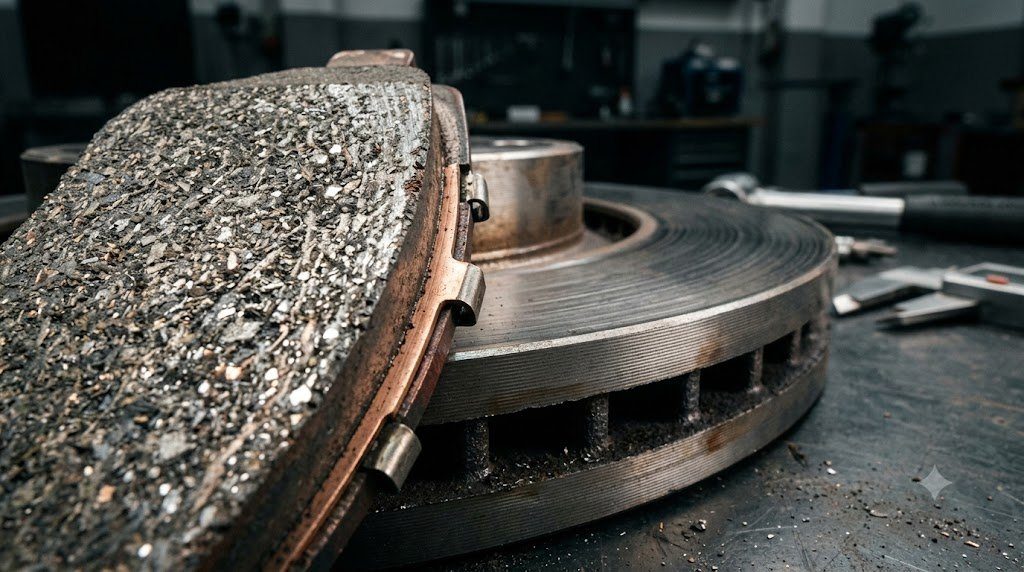
Brake Pad Tribology: Semi-Metallic vs. Ceramic Friction Formulations and Thermal Fade Mechanics

The physical interface between a stationary brake pad and a spinning rotor constitutes one of the most severe tribological environments in mechanical engineering. Under repeated deceleration, surface contact pressures reach 5 to 10 MPa while localized microscopic flash temperatures at contact asperities soar past 800°C to 1,000°C. Modern brake pad friction compounds represent intricate multi-material … Read more

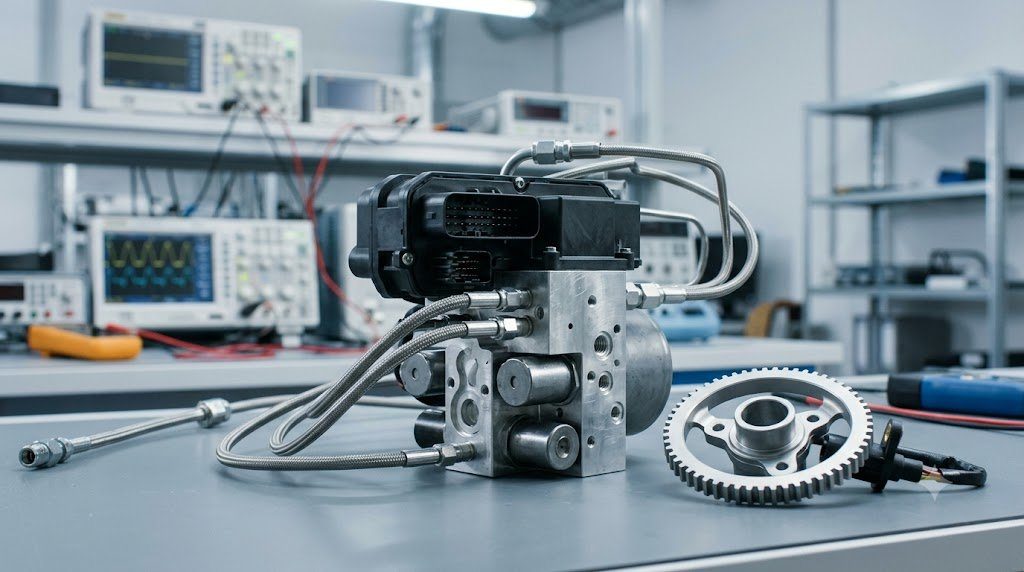
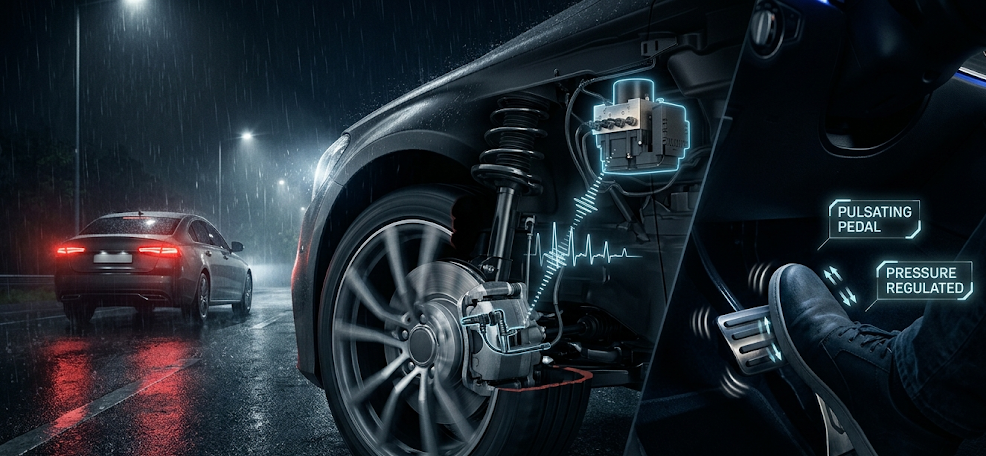
Anti-Lock Braking Systems: ABS Wheel Slip Ratio, Hydraulic Modulator Valves and Wheel Speed Sensors

When an emergency stop is initiated on a slippery asphalt or ice-covered road surface, the clamping force of hydraulic brake calipers can easily exceed the available tire-road frictional traction, causing tires to lock up and skid. A locked tire loses all directional steering control and experiences reduced deceleration. The Anti-Lock Braking System (ABS)—first introduced to … Read more

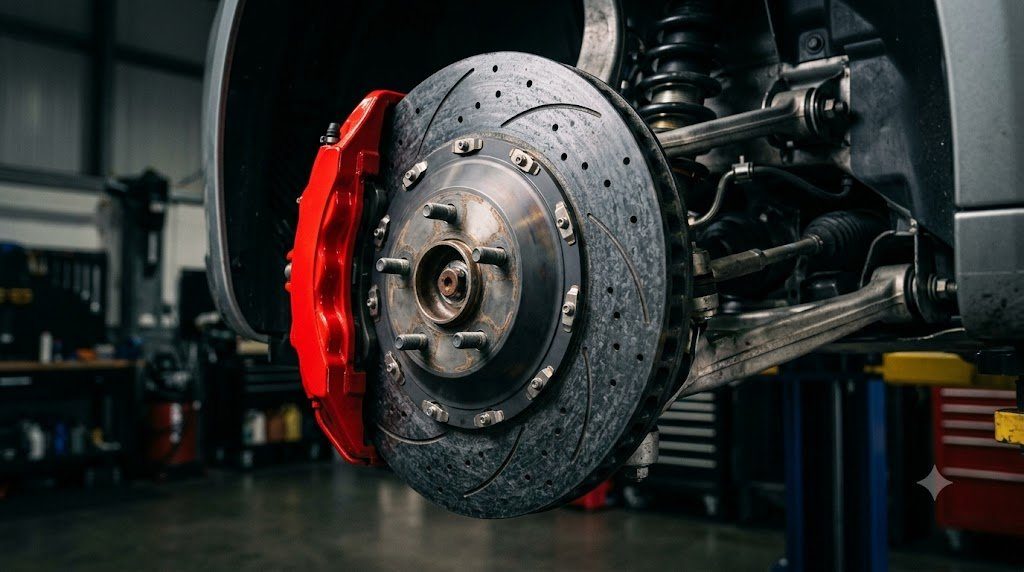
Hydraulic Disc Brakes: Rotor Metallurgy, Multi-Piston Caliper Clamping and Pascal’s Law

In automotive chassis engineering, the braking system is the primary safety-critical mechanism, responsible for dissipating kinetic energy into thermal enthalpy at deceleration rates that can exceed 1.0 to 1.3 g. At the core of every modern braking architecture is the Hydraulic Disc Brake, which utilizes fluid pressure multiplication governed by Pascal’s law to force high-friction … Read more

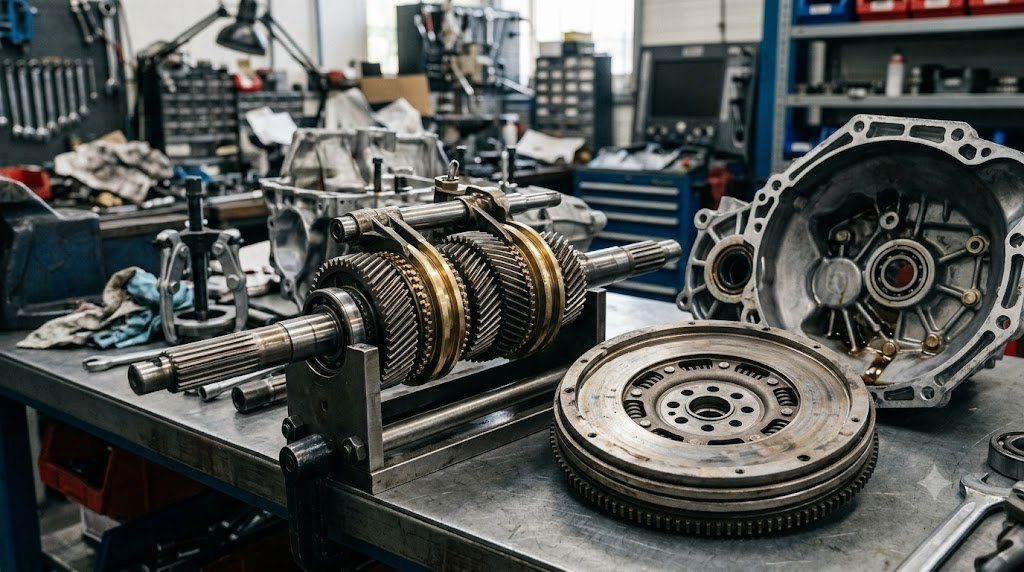
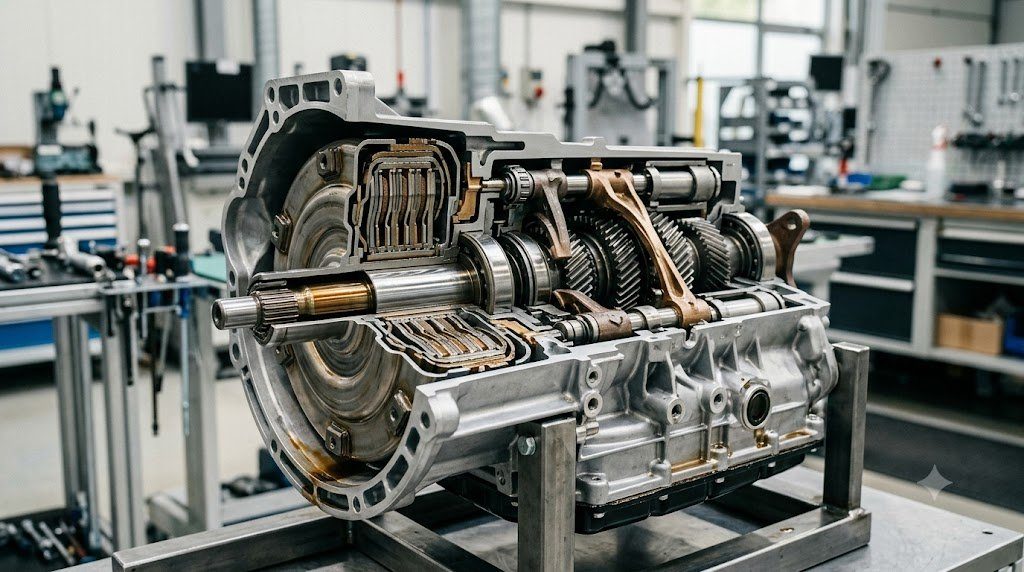
Manual Transmissions: Synchronizer Cone Tribology, Shift Interlocks and Dual-Mass Flywheels

Despite the ascendancy of automated transmissions, the Manual Countershaft Transmission remains the gold standard for mechanical simplicity, lightweight packaging, and direct mechanical driver engagement. Operating with purely mechanical gear meshing without hydraulic pumping losses, manual transmissions achieve thermal transfer efficiencies exceeding 96% to 98%. Central to modern manual transmission operation are two mechanical assemblies: the … Read more

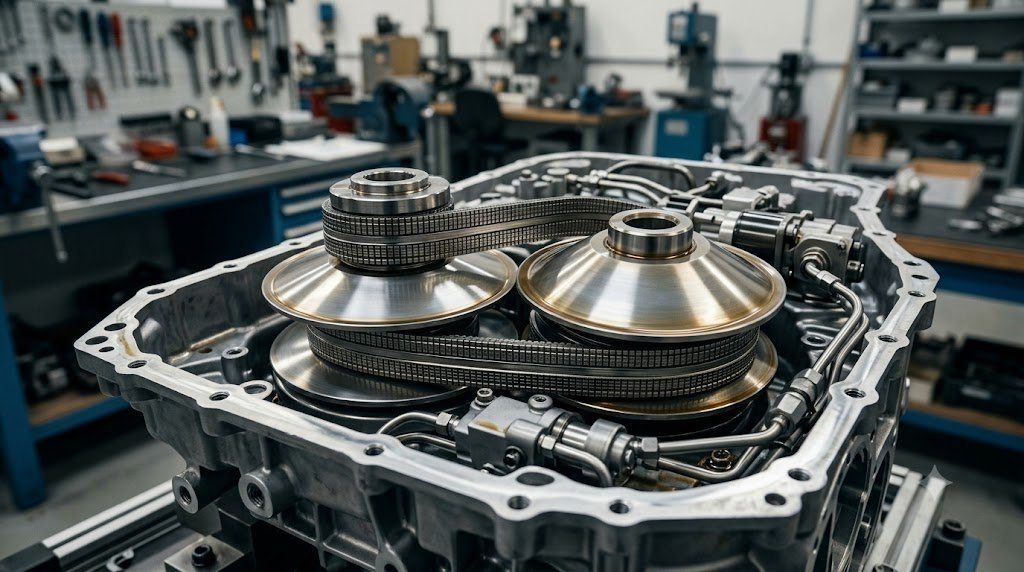
Continuously Variable Transmissions: Push-Belt Variators, Hydraulic Clamping and Ratio Spread Dynamics

In the pursuit of maximum internal combustion thermal efficiency and seamless urban drivability, the Continuously Variable Transmission (CVT) represents a distinct engineering departure from fixed-ratio stepped gearboxes. Instead of shifting across discrete gear steps (1st, 2nd, 3rd, etc.), a belt-driven CVT provides an infinite continuum of gear ratios between its minimum and maximum mechanical limits, … Read more

Dual-Clutch Transmissions: Wet vs. Dry Clutch Packs, Odd-Even Shaft Pre-Selection and Shift Hydraulics

Bridging the lightning-fast mechanical efficiency of manual gearboxes with the seamless automation of stepped automatics, the Dual-Clutch Transmission (DCT)—also designated Direct-Shift Gearbox (DSG)—represents a milestone in automotive powertrain engineering. Conceived to deliver sub-millisecond gear changes with uninterrupted tractive torque delivery, the DCT utilizes two concentric input shafts and twin independent clutch packs to keep the … Read more

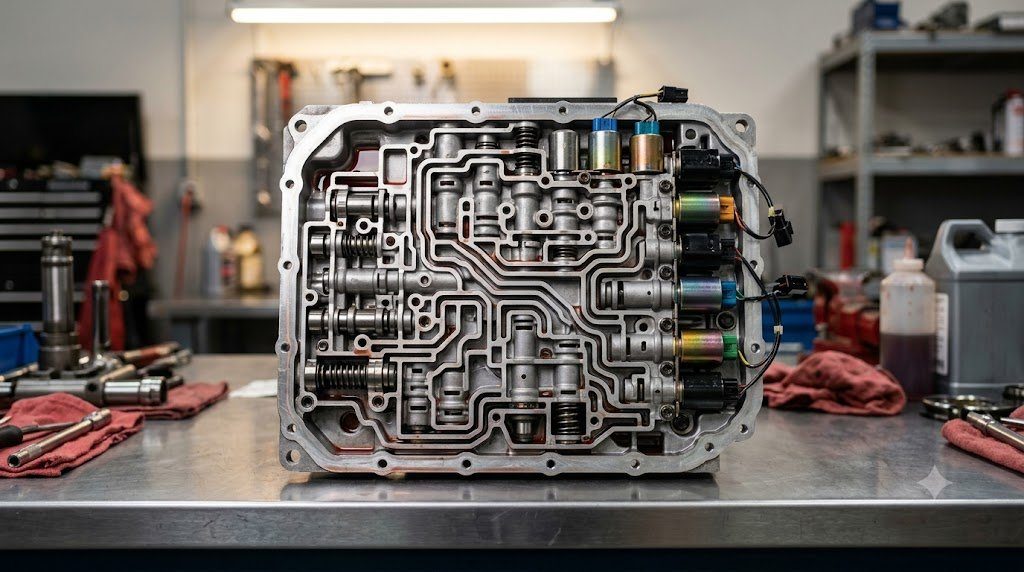
Planetary Automatic Transmissions: Lepelletier Geartrains, Hydraulic Valve Bodies and Shift Solenoids

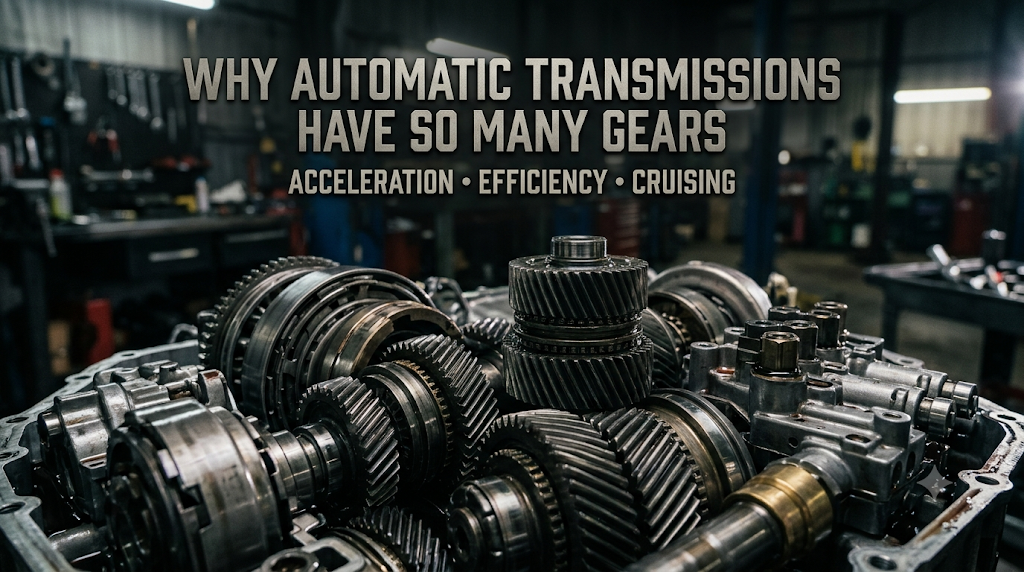
Modern multi-speed stepped automatic transmissions—spanning 8, 9, and 10 forward gear ratios—represent pinnacles of kinematic packaging and electro-hydraulic power transmission. Rather than relying on simple countershaft gear clusters that disconnect torque flow during gear shifts, automatic transmissions employ compound Epicyclic Planetary Gear Sets controlled by multi-disc friction clutches, stationary brake bands, and high-pressure hydraulic valve … Read more

About AutoMechanics

About AutoMechanics

AutoMechanics is an authoritative engineering publication dedicated to powertrain thermodynamics, vehicle dynamics, chassis telemetry, and computerized automotive diagnostics. Our empirical guides adhere to strict SAE, ISO, and UNECE international technical standards.

Learn More →
Certified Engineers SAE & ISO compliant technical research
Diagnostic Workflows CAN-bus telemetry & ECU tuning insights
Verified Quality Empirical analysis & peer-reviewed data