Why Automatic Transmissions Have So Many Gears Acceleration, Efficiency, and Cruising
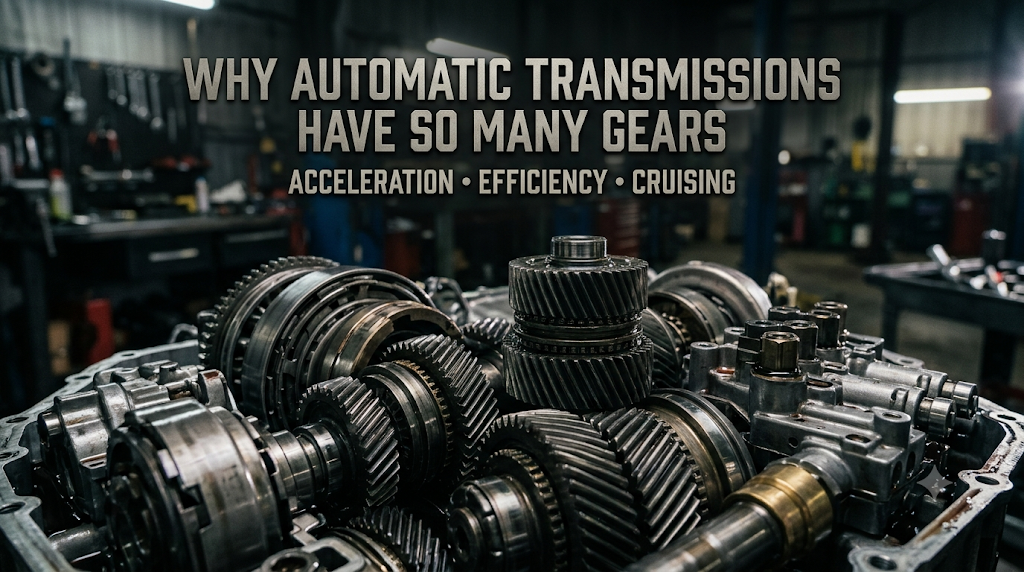
AUTOMOTIVE ENGINEERING JOURNAL · POWERTRAIN TECHNOLOGY More Gears. Smarter Power Delivery. Discover why modern automatic transmissions use six, eight, nine, or even ten forward gears—and how those extra ratios influence acceleration, engine speed, and fuel efficiency. GEAR RATIOS ENGINE RPM FUEL ECONOMY Not long ago, many passenger cars used automatic transmissions with only three or … Read more
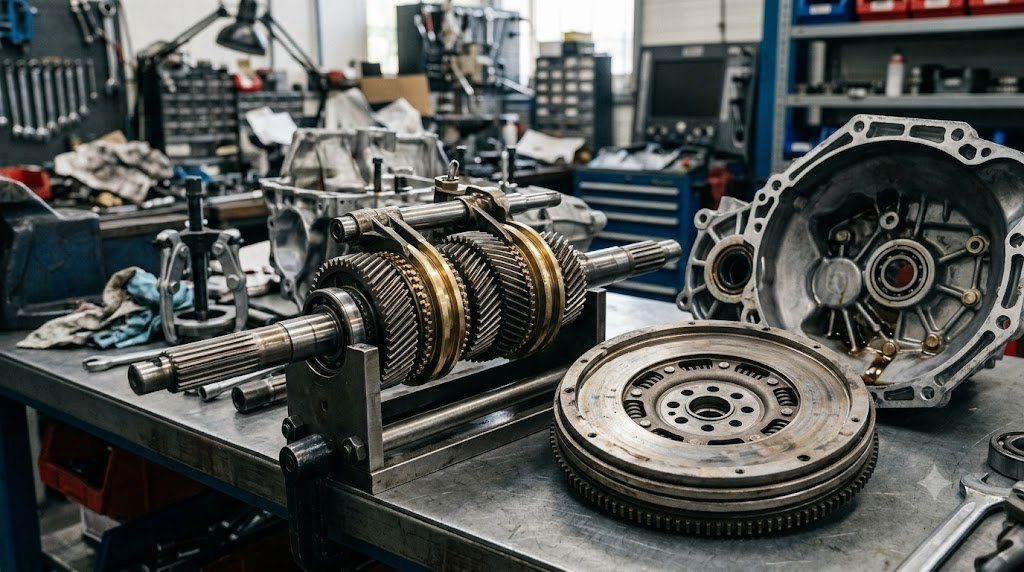
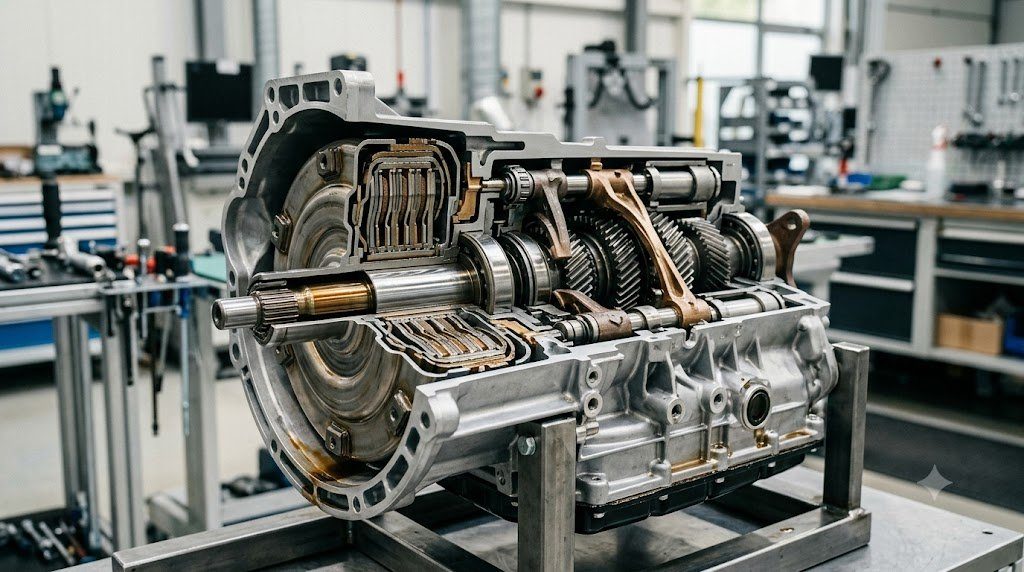
Manual Transmissions: Synchronizer Cone Tribology, Shift Interlocks and Dual-Mass Flywheels

Despite the ascendancy of automated transmissions, the Manual Countershaft Transmission remains the gold standard for mechanical simplicity, lightweight packaging, and direct mechanical driver engagement. Operating with purely mechanical gear meshing without hydraulic pumping losses, manual transmissions achieve thermal transfer efficiencies exceeding 96% to 98%. Central to modern manual transmission operation are two mechanical assemblies: the … Read more

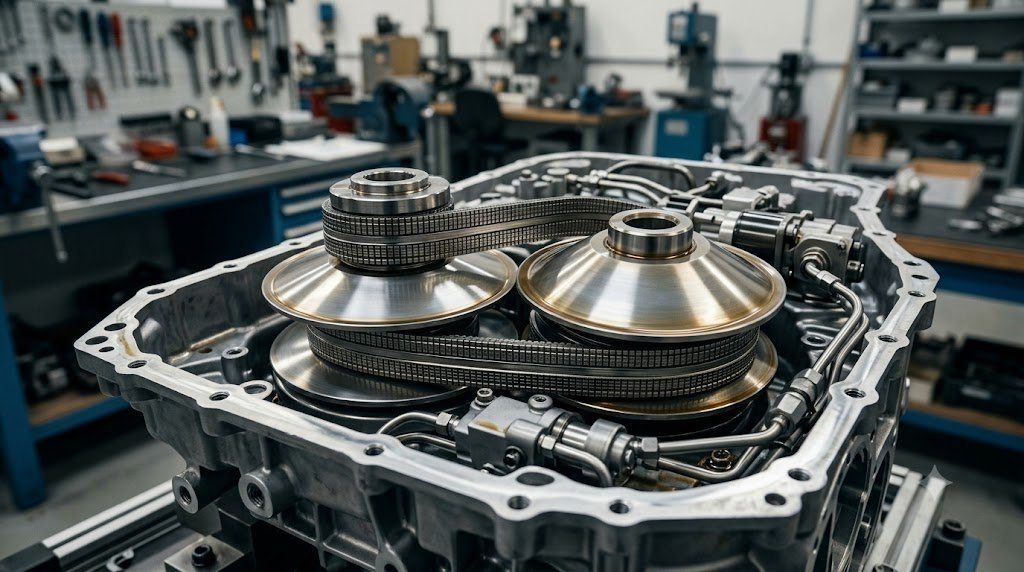
Continuously Variable Transmissions: Push-Belt Variators, Hydraulic Clamping and Ratio Spread Dynamics

In the pursuit of maximum internal combustion thermal efficiency and seamless urban drivability, the Continuously Variable Transmission (CVT) represents a distinct engineering departure from fixed-ratio stepped gearboxes. Instead of shifting across discrete gear steps (1st, 2nd, 3rd, etc.), a belt-driven CVT provides an infinite continuum of gear ratios between its minimum and maximum mechanical limits, … Read more

Dual-Clutch Transmissions: Wet vs. Dry Clutch Packs, Odd-Even Shaft Pre-Selection and Shift Hydraulics

Bridging the lightning-fast mechanical efficiency of manual gearboxes with the seamless automation of stepped automatics, the Dual-Clutch Transmission (DCT)—also designated Direct-Shift Gearbox (DSG)—represents a milestone in automotive powertrain engineering. Conceived to deliver sub-millisecond gear changes with uninterrupted tractive torque delivery, the DCT utilizes two concentric input shafts and twin independent clutch packs to keep the … Read more

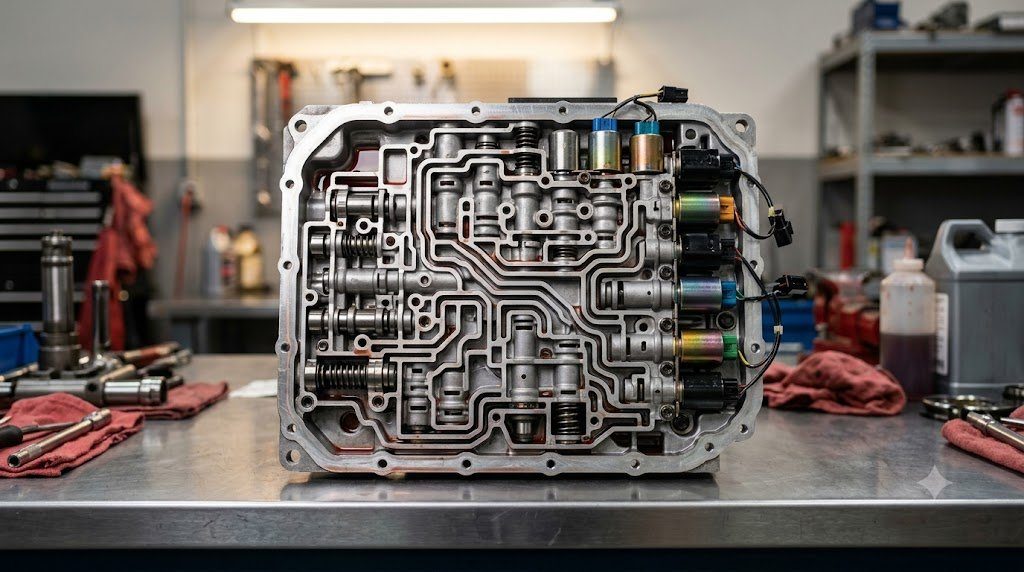
Planetary Automatic Transmissions: Lepelletier Geartrains, Hydraulic Valve Bodies and Shift Solenoids

Modern multi-speed stepped automatic transmissions—spanning 8, 9, and 10 forward gear ratios—represent pinnacles of kinematic packaging and electro-hydraulic power transmission. Rather than relying on simple countershaft gear clusters that disconnect torque flow during gear shifts, automatic transmissions employ compound Epicyclic Planetary Gear Sets controlled by multi-disc friction clutches, stationary brake bands, and high-pressure hydraulic valve … Read more