Regenerative Braking Explained How Electric Cars Recover Energy When Slowing Down

EV MOTION & ENERGY LAB / AUTOMOTIVE ENGINEERING Turning Motion Back Into Electricity Discover how electric vehicles use their motors as generators, capture energy during deceleration, and reduce the energy wasted during everyday driving. KINETIC ENERGY MOTOR-GENERATOR ENERGY RECOVERY Every time a moving car slows down, some of its kinetic energy must go somewhere. In … Read more
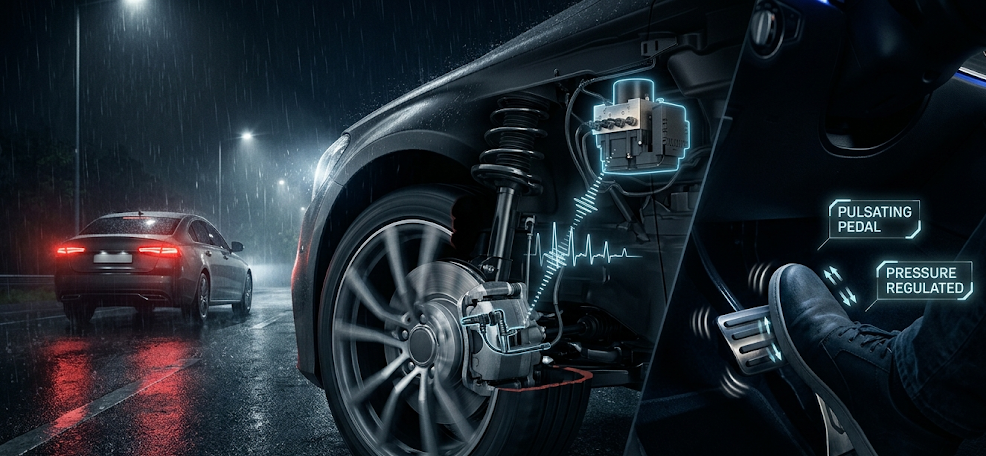
How ABS Prevents Wheel Lockup and Why the Brake Pedal Pulses

AUTOMOTIVE ENGINEERING / VEHICLE SAFETY SYSTEMS The Science Behind Anti-Lock Braking Understand how modern vehicles detect wheel lockup, regulate braking pressure, and help drivers maintain steering control during emergency stops. WHEEL-SPEED SENSORS HYDRAULIC CONTROL PEDAL PULSATION Imagine driving on a wet road when a vehicle suddenly stops ahead of you. You press the brake pedal … Read more

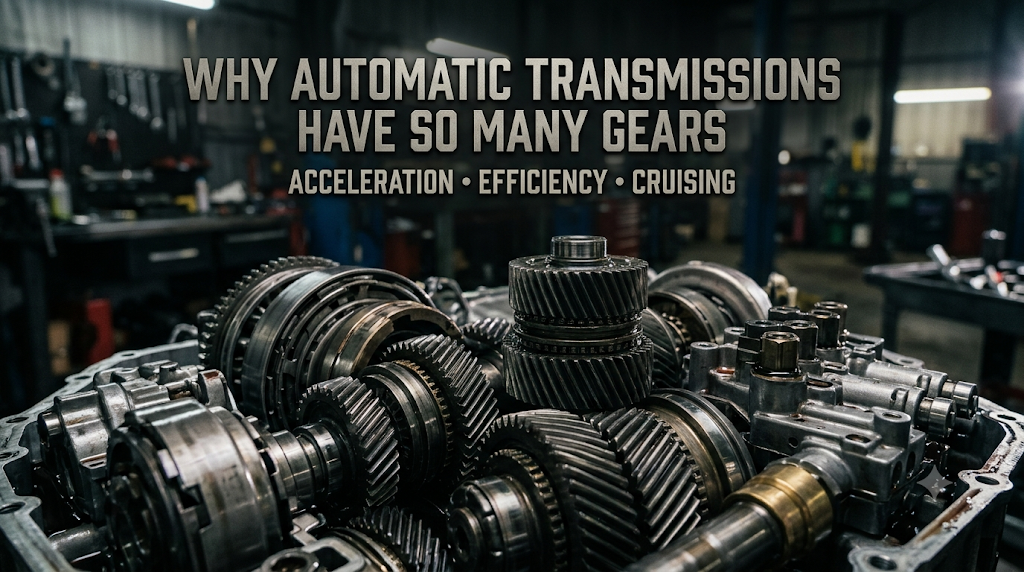
Why Automatic Transmissions Have So Many Gears Acceleration, Efficiency, and Cruising

AUTOMOTIVE ENGINEERING JOURNAL · POWERTRAIN TECHNOLOGY More Gears. Smarter Power Delivery. Discover why modern automatic transmissions use six, eight, nine, or even ten forward gears—and how those extra ratios influence acceleration, engine speed, and fuel efficiency. GEAR RATIOS ENGINE RPM FUEL ECONOMY Not long ago, many passenger cars used automatic transmissions with only three or … Read more

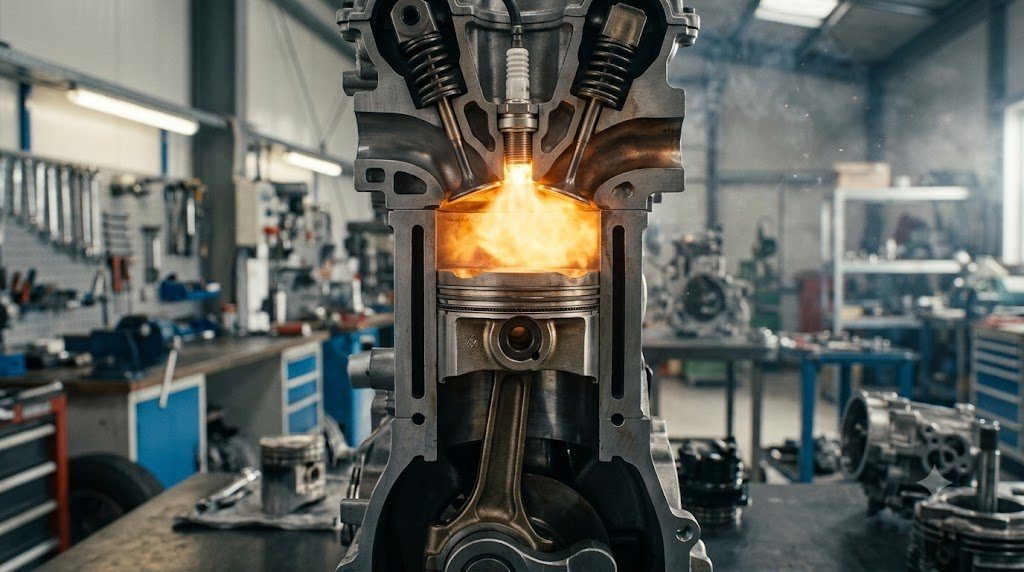
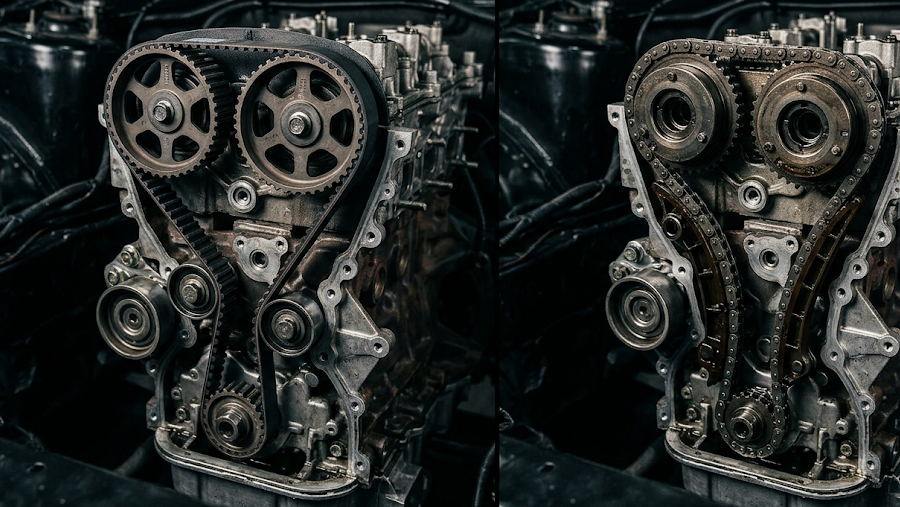
Timing Belt vs Timing Chain What They Do and Why the Difference Matters

AUTOMOTIVE ENGINEERING / ENGINE COMPONENTS EXPLAINED Two Ways to Keep an Engine Running in Perfect Time Understand how timing belts and timing chains synchronize engine components, why manufacturers choose different designs, and what drivers should know about maintenance. ENGINE TIMING MAINTENANCE REPAIR COSTS Every modern four-stroke gasoline or diesel engine depends on precise mechanical timing. … Read more

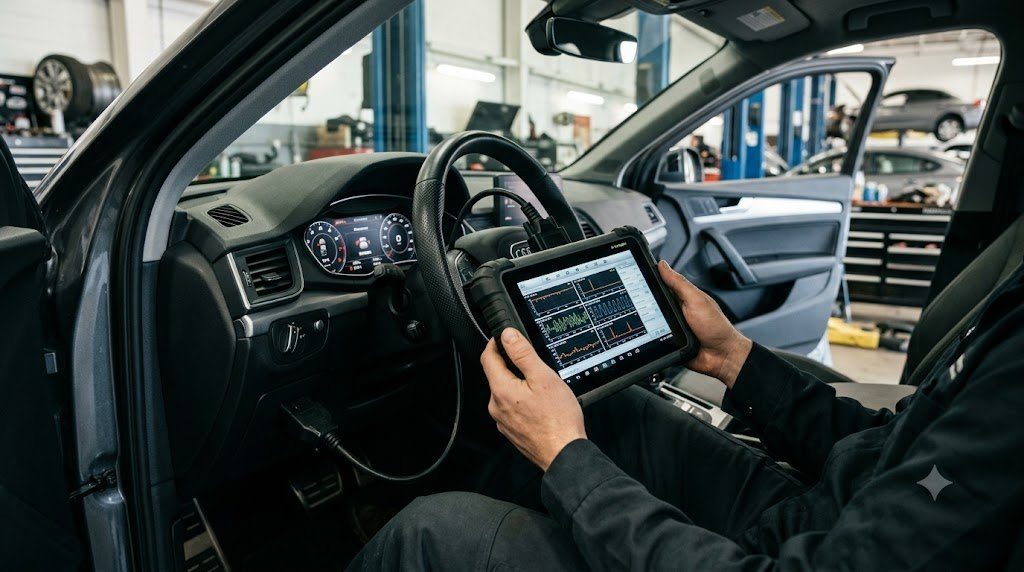
On-Board Diagnostics: OBD-II Architecture, Freeze-Frame Telemetry and ISO 14229 UDS Protocols

The diagnostic capability of modern motor vehicles has evolved from rudimentary blinking dashboard check engine lights into standardized, multi-tiered digital interrogation protocols. Mandated in North America in 1996 and adopted globally through European (EOBD) and international standards, On-Board Diagnostics II (OBD-II) and contemporary ISO 14229 Unified Diagnostic Services (UDS) provide certified service technicians and emissions … Read more

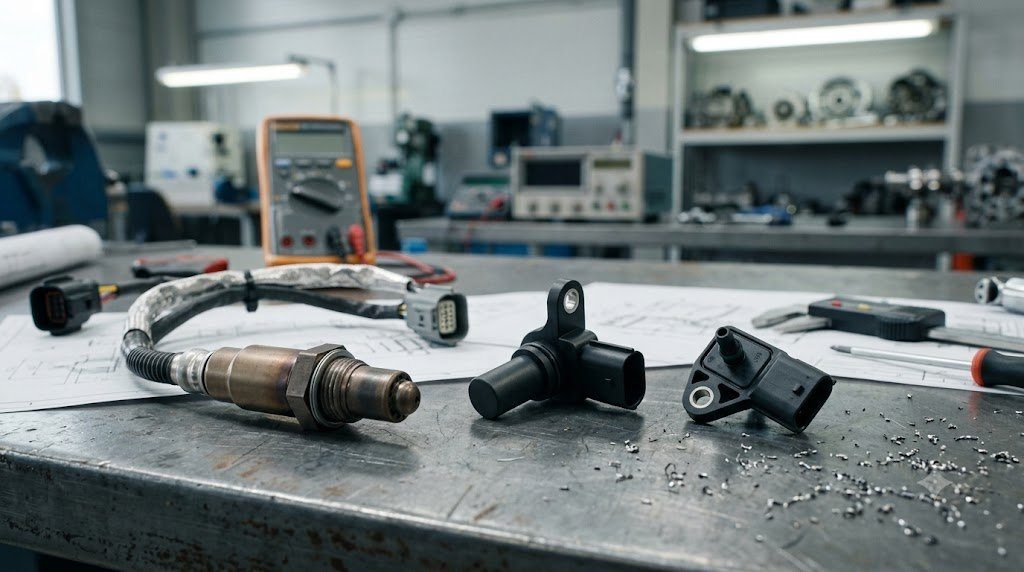
Automotive Sensors: Hall-Effect, Piezoresistive Transduction and Wideband Oxygen Sensing

An electronic control unit is only as capable as the precision and fidelity of its sensory inputs. Modern motor vehicles rely on an array of dozens of specialized Automotive Sensors that convert mechanical displacements, rotational velocities, fluid pressures, thermal states, and exhaust gas chemical concentrations into calibrated electrical voltages and digital pulses. These sensors operate … Read more

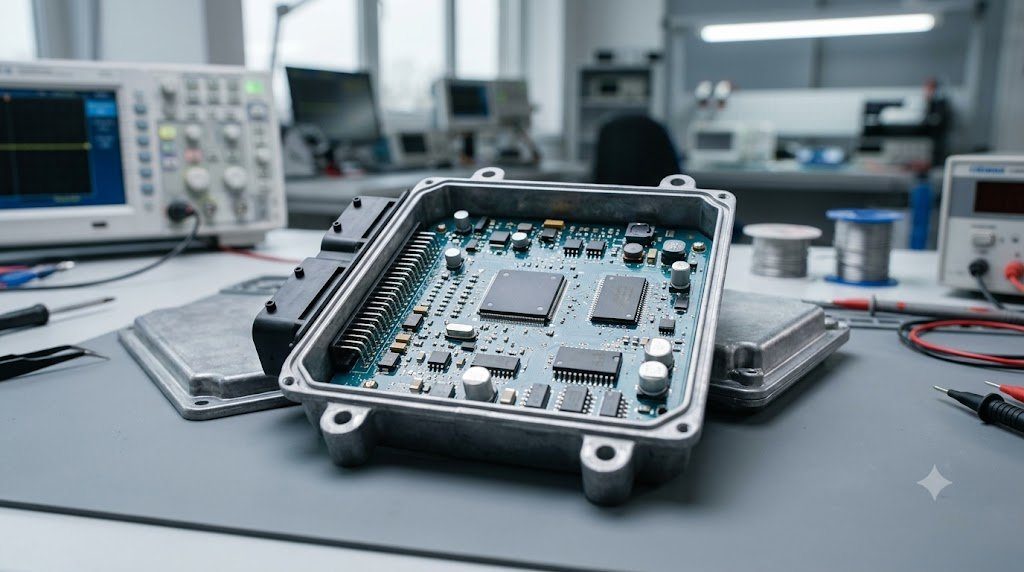
Engine Control Units: Microcontroller Architecture, Closed-Loop Fueling and PID Boost Control

The modern automotive Engine Control Unit (ECU / ECM) is an industrial real-time embedded supercomputer tasked with managing hundreds of dynamic physical parameters simultaneously. Operating within an under-hood environment subjected to extreme thermal cycling (-40°C to +125°C), high electrical noise transients, and severe engine vibrations, the ECU executes millions of computational operations per second to … Read more

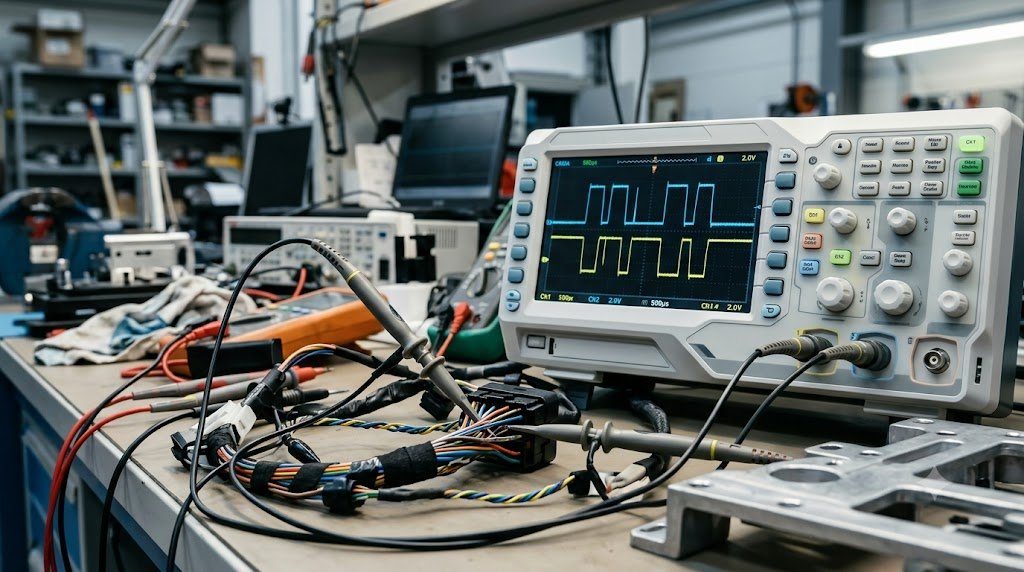
Controller Area Network (CAN Bus): Differential Signaling, Non-Destructive Arbitration and Physical Layer Diagnostics

Modern motor vehicles are distributed computing networks on wheels, containing anywhere from 50 to over 120 interconnected Electronic Control Units (ECUs) controlling engine combustion, transmission line pressure, chassis dynamics, body electronics, and active safety systems. Developed by Robert Bosch in the mid-1980s and standardized under ISO 11898, the Controller Area Network (CAN Bus) remains the … Read more

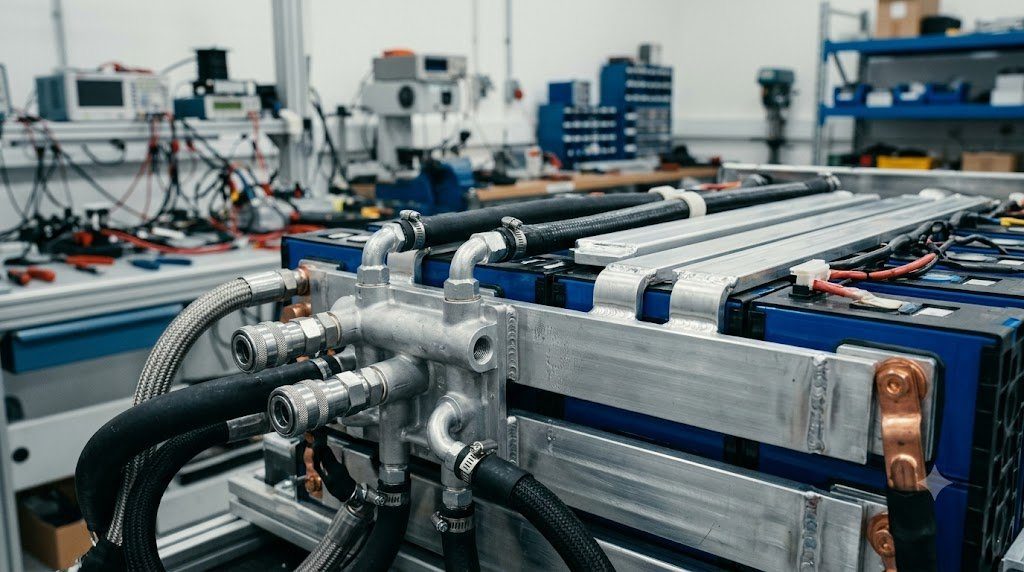
Battery Thermal Management Systems: Liquid Cold Plates, Immersion Cooling and Heat Pump Loops

The operational lifespan, fast-charging speed, driving range, and safety of a modern electric vehicle are governed entirely by its Battery Thermal Management System (BTMS). Lithium-ion traction cells function within an exceptionally narrow ideal thermal window—strictly between 20°C and 35°C (68°F to 95°F). Temperatures below 0°C severely restrict charging rates and trigger lithium plating, while temperatures … Read more

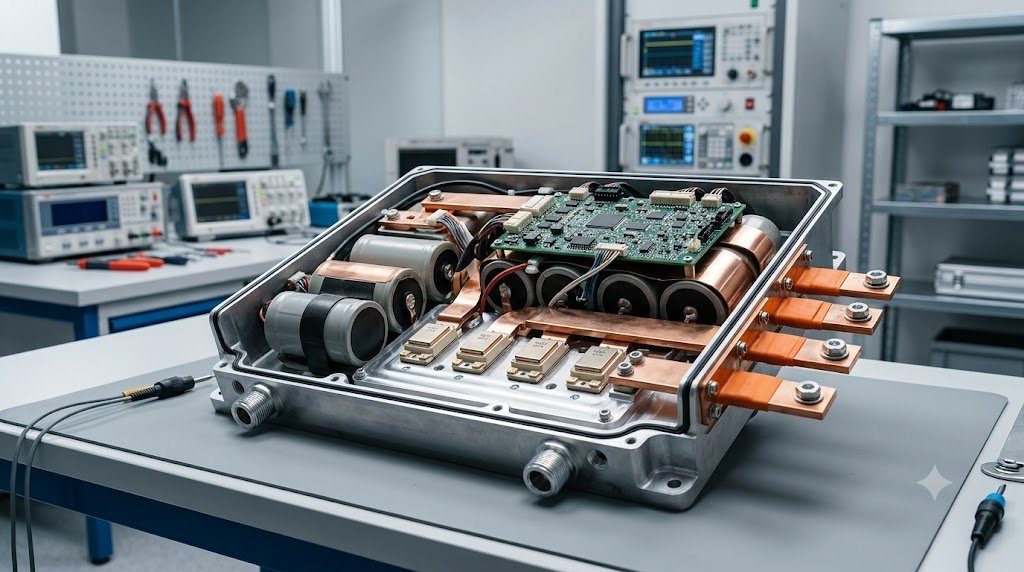
Traction Inverters: Silicon Carbide SiC MOSFETs, Space Vector PWM and 800V DC-Link Dynamics

Positioned inline between the high-voltage direct current (DC) traction battery pack and the multi-phase alternating current (AC) traction motor, the Traction Inverter is the primary power electronics gateway of an electric vehicle. Handling electrical powers ranging from 150 to over 600 kilowatts, the inverter converts battery DC into variable-frequency, variable-voltage 3-phase AC using high-speed semiconductor … Read more

About AutoMechanics

About AutoMechanics

AutoMechanics is an authoritative engineering publication dedicated to powertrain thermodynamics, vehicle dynamics, chassis telemetry, and computerized automotive diagnostics. Our empirical guides adhere to strict SAE, ISO, and UNECE international technical standards.

Learn More →
Certified Engineers SAE & ISO compliant technical research
Diagnostic Workflows CAN-bus telemetry & ECU tuning insights
Verified Quality Empirical analysis & peer-reviewed data