Turbocharger Thermodynamics: Compressor Maps, Turbine Expansion, Wastegates and VGT Aerodynamics
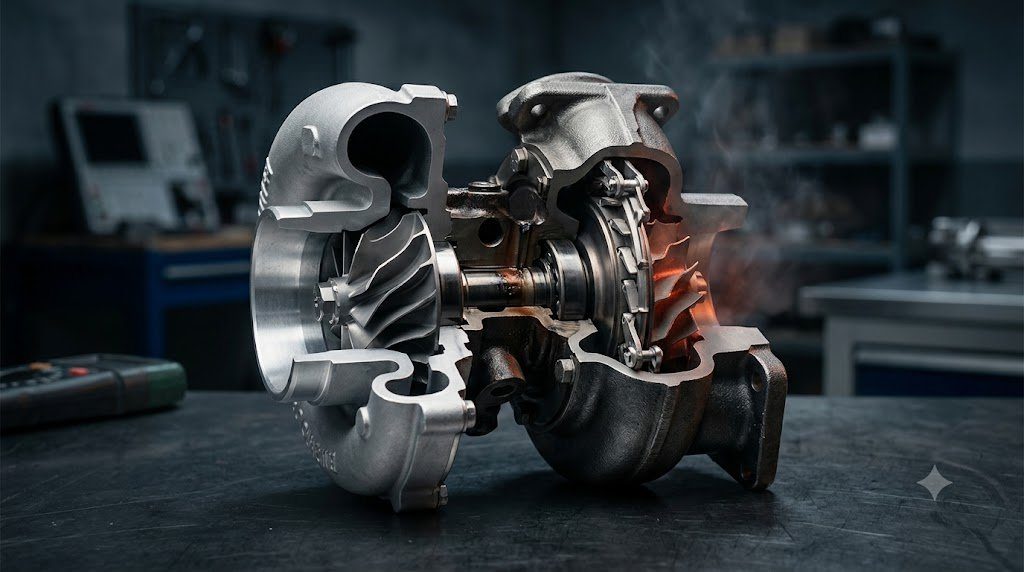
Forced induction turbocharging is the primary engineering catalyst behind modern engine downsizing, enabling modest 1.5 to 2.0-liter displacement powerplants to produce torque curves that surpass large naturally aspirated V8 engines. By capturing thermal enthalpy and kinetic momentum that would otherwise be rejected into the atmosphere via the exhaust pipe, a turbocharger drives a centrifugal compressor … Read more
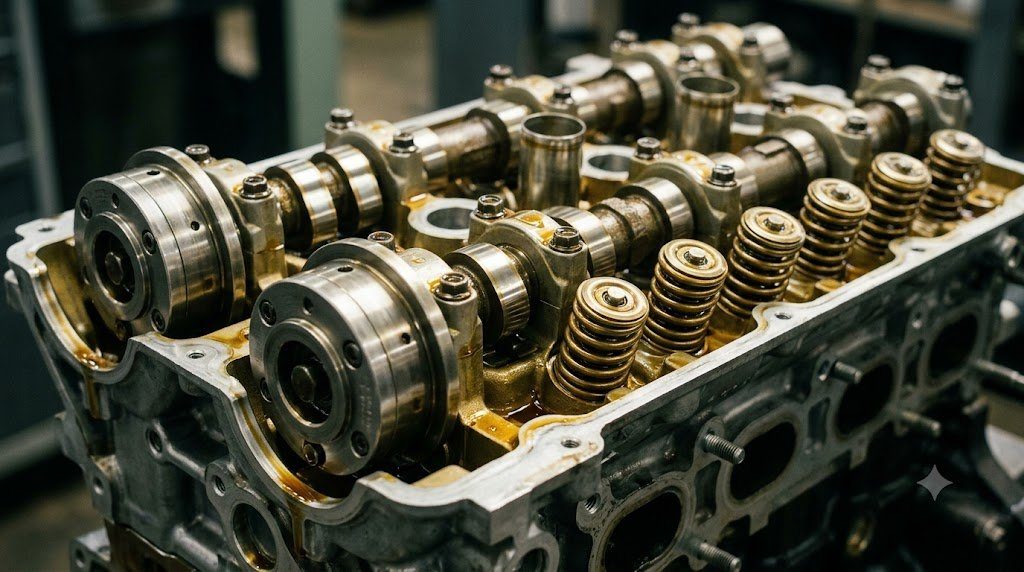
Valvetrain Kinematics: Variable Valve Timing, Cam Phasing and Continuous Lift Mechanisms

The valvetrain of an internal combustion engine governs the breathing capacity of its cylinders, dictating volumetric efficiency ($\eta_v$), gas exchange pumping losses, internal exhaust gas recirculation (EGR), and high-RPM power limits. While early automotive engines relied on fixed camshaft profiles that represented an uneasy compromise between smooth idle stability and high-RPM power delivery, modern powertrains … Read more

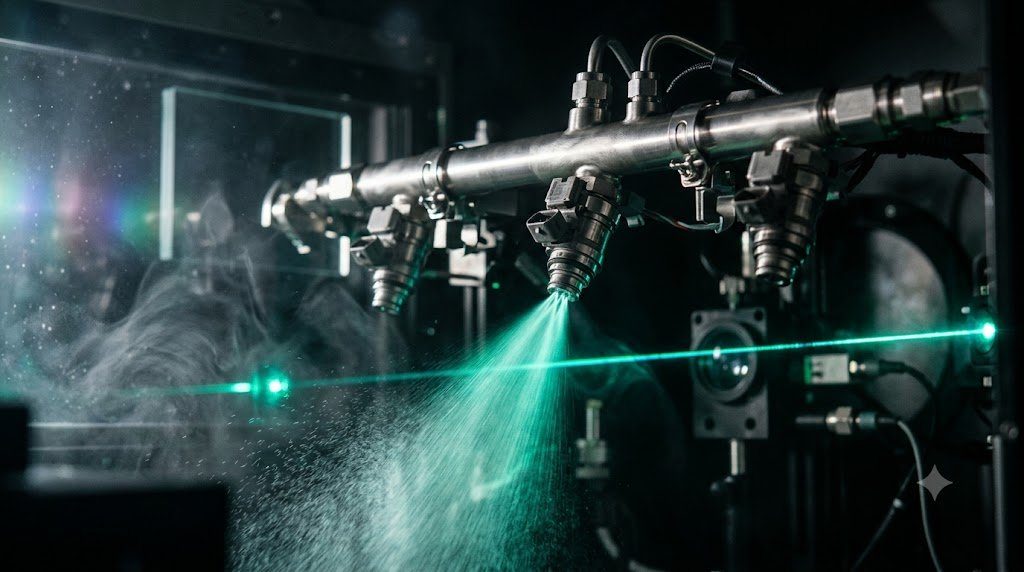
Gasoline Direct Injection Systems: High-Pressure Rail Dynamics, Spray Atomization and Particulate Mitigation

The transition from legacy port fuel injection (PFI) to Gasoline Direct Injection (GDI) represents the most impactful powertrain engineering advancement in spark-ignition engines over the past two decades. By spraying finely atomized gasoline droplets directly into the combustion chamber at pressures exceeding 200 to 350 bar (2,900 to 5,000 psi), GDI systems exploit the latent … Read more

Four-Stroke Combustion Thermodynamics: Otto, Diesel, Atkinson and Miller Cycles Compared

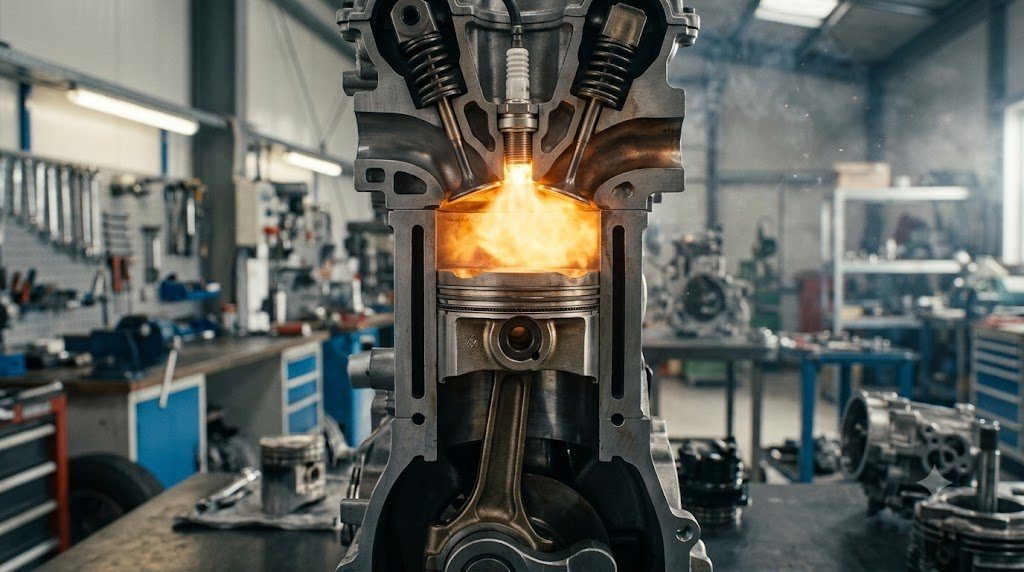
In the physical science of automotive propulsion, reciprocating internal combustion engines represent classical thermal machines designed to transform chemical enthalpy locked within hydrocarbon fuel molecules into usable mechanical shaft torque. Over a century of thermal engineering has refined the four-stroke reciprocating architecture—comprising intake, compression, power, and exhaust strokes—into specialized thermodynamic cycles tailored for distinct operational … Read more

About AutoMechanics

About AutoMechanics

AutoMechanics is an authoritative engineering publication dedicated to powertrain thermodynamics, vehicle dynamics, chassis telemetry, and computerized automotive diagnostics. Our empirical guides adhere to strict SAE, ISO, and UNECE international technical standards.

Learn More →
Certified Engineers SAE & ISO compliant technical research
Diagnostic Workflows CAN-bus telemetry & ECU tuning insights
Verified Quality Empirical analysis & peer-reviewed data